Under authoritarian regimes, where censorship, propaganda and control of information severely restrict access to the facts, historians of the diaspora bear a particular responsibility. In the case of the Islamic Republic of Iran, Persian-speaking historians and researchers have a decisive advantage: they command the language, the archives and the local sources that enable them to gather, cross-check and analyze testimonies and documents that are often inaccessible to outside observers.
Some silences reveal as much as they conceal. For several decades, part of the academic work devoted to Iran has given the impression of treating the Islamic Republic as a cultural or religious object, relegating to the background what in fact constitutes its political reality: repression, the execution of political prisoners, the imprisonment of dissidents, institutional violence and the denial of fundamental freedoms.
This omission is far from innocuous. It shapes perceptions of the regime and helps to produce an incomplete, sanitised image of a state whose human rights violations are, in fact, regularly documented by international organisations.
This is precisely why the silence of certain Iran specialists raises questions. When those who possess the necessary linguistic and historical expertise choose to devote their work almost exclusively to the cultural, religious or geopolitical dimensions of the country, without substantively addressing the question of political repression, they allow an incomplete picture of the Islamic Republic to persist.
When Cultural Analysis Obscures Political Repression
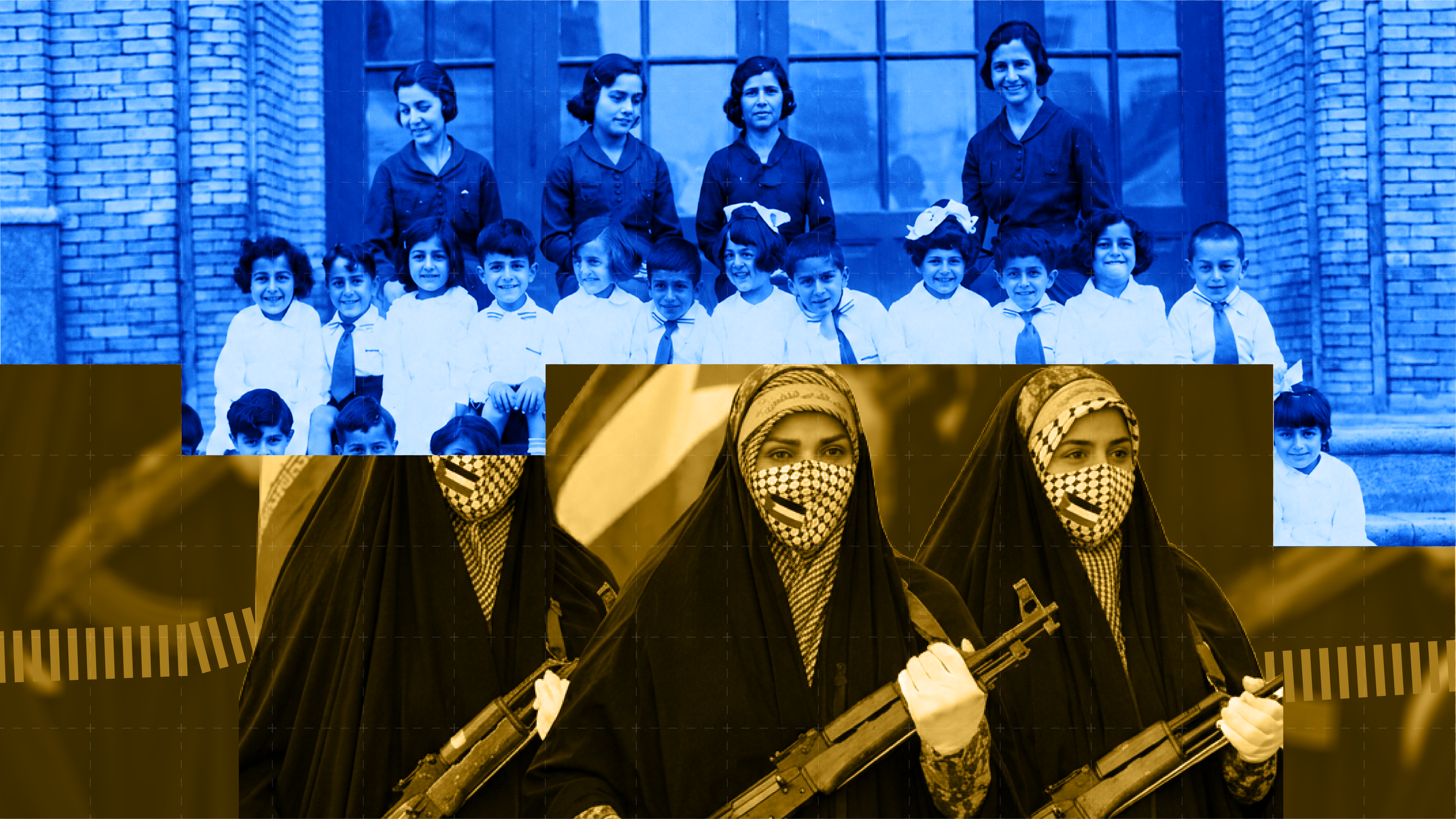
The same phenomenon can be seen in the debates over the wearing of the veil. For years, some researchers argued that the hijab was more a social or religious norm than a coercive obligation. Yet the laws of the Islamic Republic impose penalties on women who refuse to wear the veil in accordance with official prescriptions. The “Woman, Life, Freedom” movement reminded the entire world that this obligation is not merely symbolic: it is enforced by a very real apparatus of repression. Researchers are, of course, entitled to defend nuanced interpretations; they do, however, bear a responsibility not to minimise the concrete consequences of these laws.
Another subject rarely examined with the critical eye it deserves is Shiite temporary marriage (sigheh). Allegedly scholarly studies have presented it as an institution that affords women greater autonomy. Yet many Iranian voices – academics, activists and women who have themselves been through this system – argue, on the contrary, that the practice serves to legitimise profoundly unequal relationships and that, in certain contexts, it fosters a form of legalised prostitution under religious cover. To ignore these criticisms, or to present sigheh solely through the lens of emancipation, is to pass over in silence the relations of domination that surround it.
Nor can the question of researchers’ independence be sidestepped. When academics collaborate with institutions or political figures closely tied to the Iranian regime, transparency becomes a democratic imperative. Funding, partnerships and potential conflicts of interest should be systematically disclosed, so that everyone can judge the independence of the analyses put forward.
The case of Mohammad Bagher Qalibaf illustrates this necessity. A former commander in the Revolutionary Guards who went on to become chief of police and then mayor of Tehran before rising to the speakership of Parliament, he is a figure whose career is associated with the crackdown on the 1999 student movement and with other episodes of repression. Accordingly, when certain researchers benefit from funding or collaborations linked to institutions under his authority or influence, it is legitimate to question the conditions of their intellectual independence and the transparency of these relationships.
Research sometimes requires access to the field, which entails institutional compromises. But such compromises must never lead to silence about political executions, arbitrary arrests, torture, the repression of minorities, violence against women or the responsibility of the country’s leaders.
The Scholarly Diaspora’s Responsibility to Protect the Facts
Under authoritarian regimes, where censorship, propaganda and control of information severely restrict access to the facts, historians of the diaspora bear a particular responsibility. In the case of the Islamic Republic of Iran, Persian-speaking historians and researchers have a decisive advantage: they command the language, the archives and the local sources that enable them to gather, cross-check and analyze testimonies and documents that are often inaccessible to outside observers.
In such circumstances, historical research is not merely a matter of interpreting texts; it becomes an essential task of reconstructing the facts.
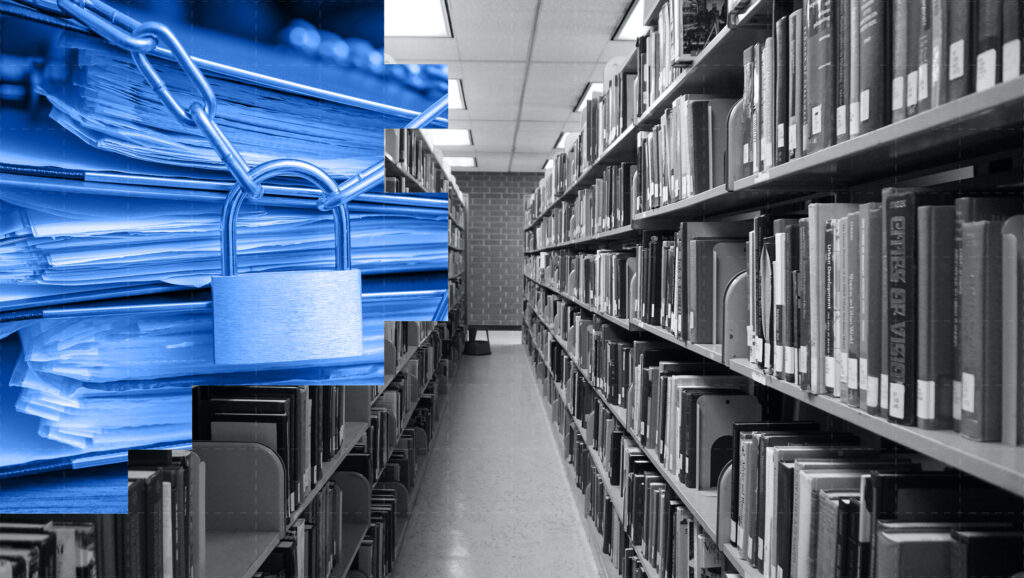
History shows just how crucial this mission is. The responsibility of the French state under the Vichy regime could only be established in full detail as the archives became accessible and historians tested official accounts against the documents. Likewise, during the Cold War, much of our knowledge of the inner workings of the Soviet Union rested on the work of exiled scholars who were able to cross-reference testimonies, clandestine archives and gradually declassified documents. In states that seek to impose their own national narrative, the scholarly diaspora often plays an irreplaceable role in preserving the facts, restoring their context and preventing the rewriting of the past from ultimately passing for history.
Academia loses nothing by acknowledging a country’s complexity. It does, however, lose its credibility when it appears to reserve its critical rigor for democracies while treating authoritarian regimes with a caution that may be perceived as a form of indulgence.
Academic freedom is a fundamental principle. It does not, however, exempt researchers from their responsibilities as scholars. When a regime seeks to control archives, narratives and memory, the duty of researchers is not only to produce knowledge; it is also to protect the facts from erasure. Iran deserves better than incomplete narratives. Iranians deserve to have their history told in all its complexity, without the violence of the regime vanishing behind the study of its institutions or its culture.